Between June and August 1959, Pasolini traveled along the Italian coast in his Fiat Millecento. A “Grand Tour”, in a certain sense, but very Pasolinian, which consisted of exploring Italy along its borders, literally going around it, going down from the border with France to the northwest (the Rio San Luigi) to the southern tip that juts out most towards Africa (a small, nameless island off the coast of Porto Palo) and then going back up north, to the edge of what was then Yugoslavia (Lazzaretto, Italy’s last beach). A long sandy road that runs along the Tyrrhenian, Ionian and Adriatic seas.
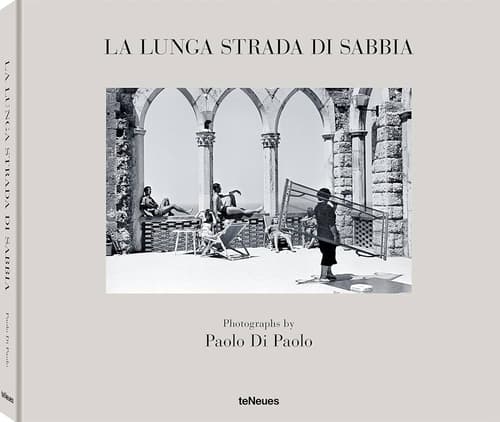
It was a reportage for the widely circulated monthly magazine Il Successo, which published his reflections in three consecutive issues, from July to September, accompanied by photographs by Paolo di Paolo La lunga strada di sabbia.
La lunga strada di sabbia (The long road of sand) is, at the same time, a movement and a form that allows the activation of resistance thrusts: peripheral circulation understood as a path against the current, a revolutionary gesture to re-challenge the past, to allow "the possible return of what happened in the past".
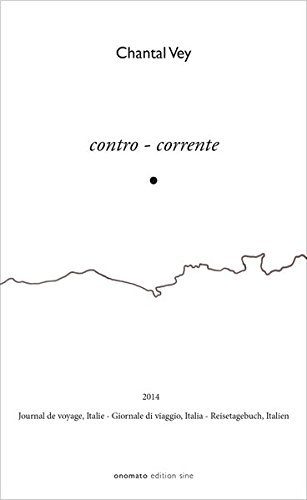
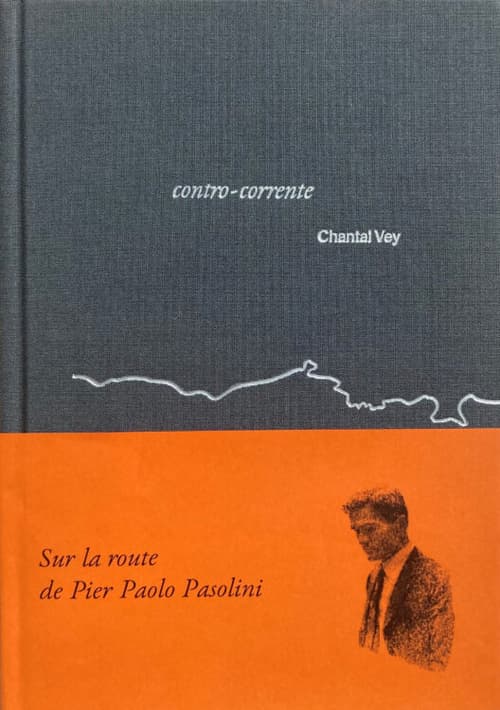
Chantal Vey has followed the route taken by Pier Paolo Pasolini, alone at the wheel of her van, revisiting the places he described sixty years earlier. This exploration of the Italian territory led Chantal Vey to travel thousands of kilometers, collecting photographs, videos, sounds, words... As for Pasolini, this quest has a poetic value, much more than a documentary testimony. This publication is composed of three chapters according to the chronology of the itineraries, and unfolds as close as possible to the adventure echoing the words of the Italian poet.