Publisher Note
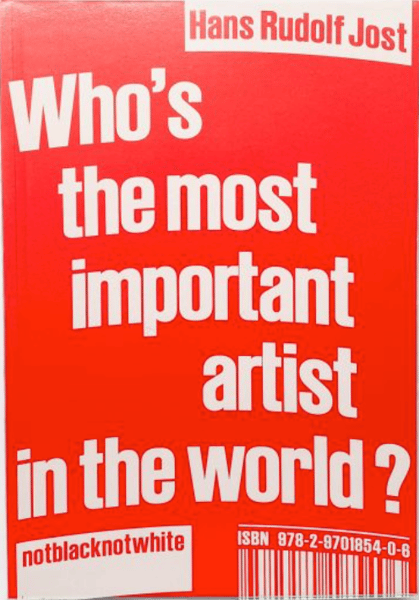
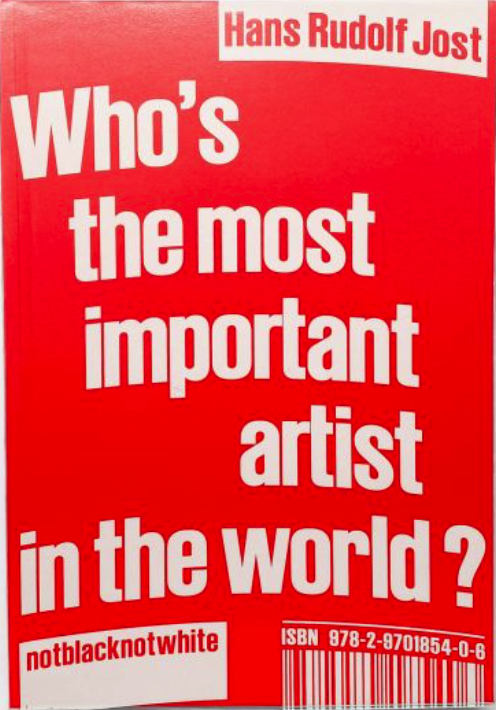
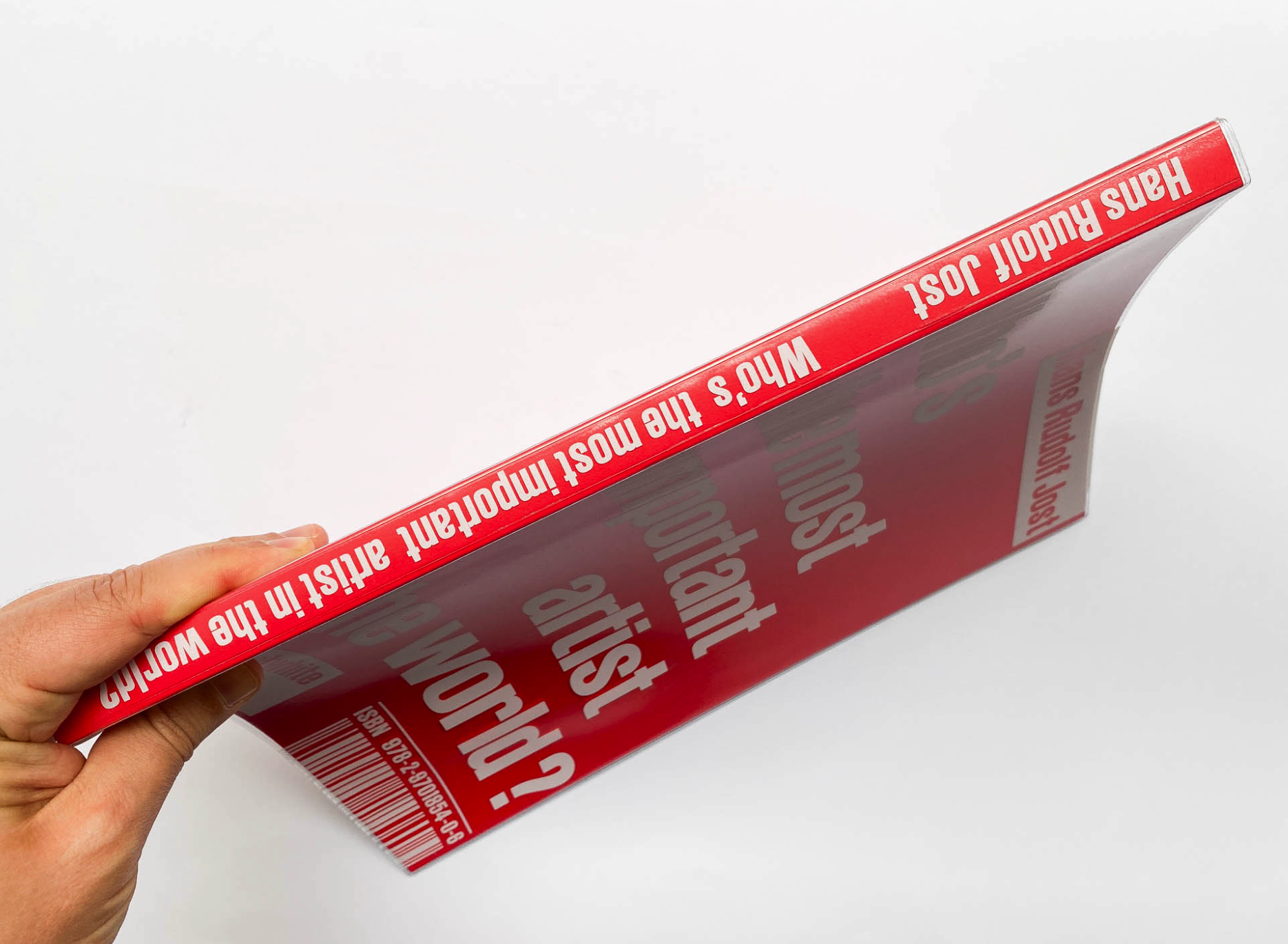
Who’s the most important artist in the world? In search of the answer to this question, Hans Rudolf Jost set off to visit 30 countries, 60 cities, 130 museums. He was in Abu Dhabi, Amsterdam, Athens, Bangkok, Barcelona, Basel, Berlin, Bilbao, Boston, Cape Town, Chicago, Chongqing, Cologne, Copenhagen, Frankfurt, Geneva, Hamburg, Helsinki, Hong Kong, Istanbul, Jeddah, Lisbon, London, Los Angeles, Madrid, Mexico City, Miami, Mumbai, Munich, New York City, Oslo, Paris, Reykjavik, Riyadh, Rome, San Francisco, São Paulo, Shenzhen, Stockholm, Tokyo, Vienna, and Zurich.
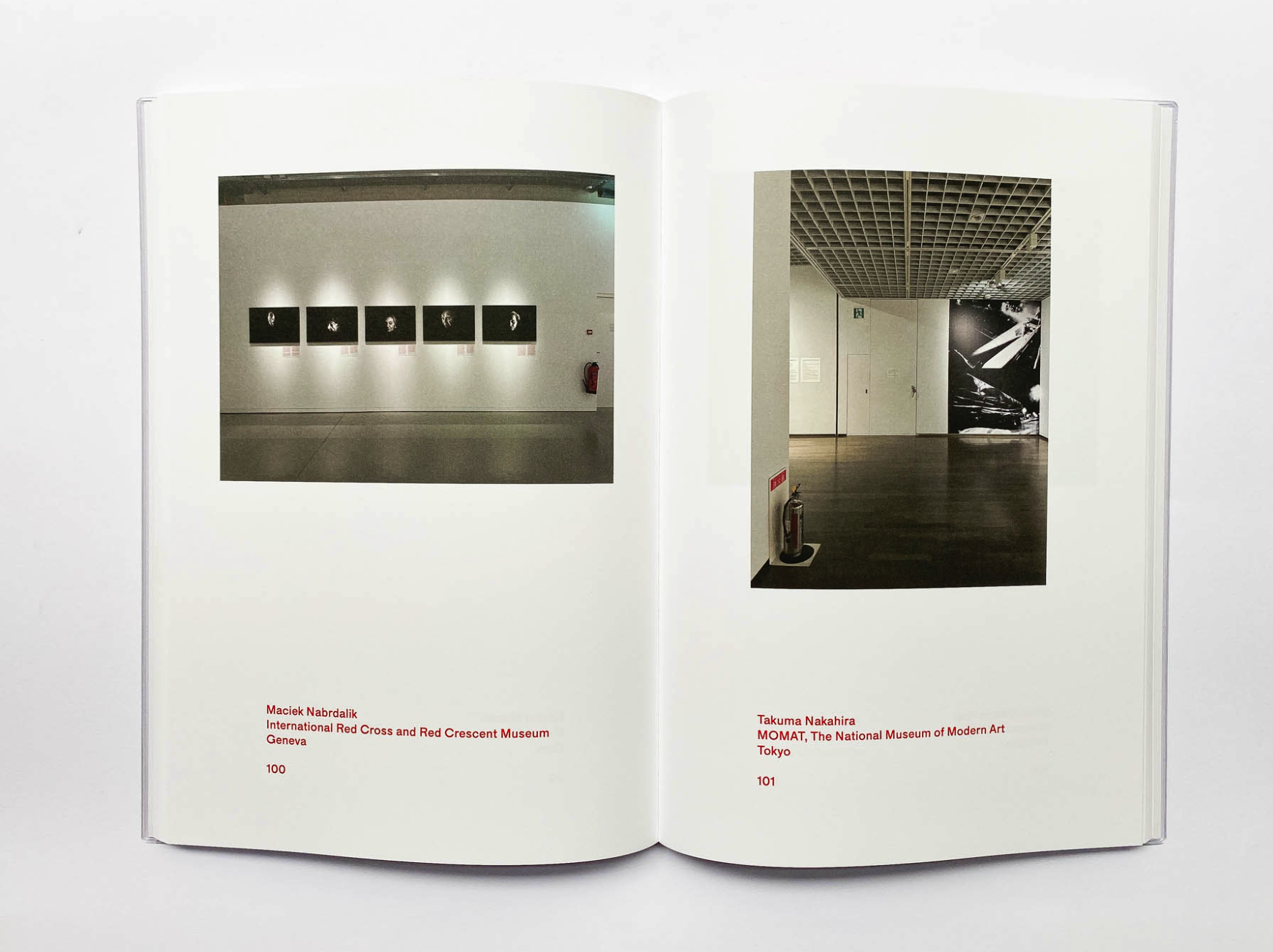
In search of the answer to this question, the author set off to revisit all the relevant contemporary art museums worldwide:. He discloses one of the best-kept secrets of the art community: the very first monograph on the best known unknown family of artists: the fire-extinguishers.
“I developed an admiration for the oeuvre of this family at an early stage. Less because of their works and more because of their success in being exhibited in almost every museum in the world. A highly disparate family of artists – like the Giacomettis or the Cascellas – but simply far less well known, despite the way in which they can always be found on show alongside the most famous names: Munch, Serra, Kahlo, Rothko, and Klimt, to name just a few. Their work is highly recognizable. And our lack of knowledge about this far-flung family of artists is more than made up for by the grandeur, clarity, vigor, and uniqueness of their artistic signature. In this case, one striking similarity is particularly palpable: All the members of this family work exclusively with the same main color. Due to its myopic tendencies, the artistic mainstream has neglected this phenomenon to date. It is high time to make up for this in the shape of a monograph. In all modesty, it is the utterly banal fire extinguisher.
It was Friday May 15, 1863, for many art historians, this Friday marks the birth of the modern era in art. In Paris the «Salon des Refusés» opened including such major names as Edouard Manet, Gustave Courbet, and Paul Cézanne. In the same year, just a few months earlier on February 10, 1863, the American Alanson Crane was assigned Patent No. 37610 for one of his inventions, the red fire extinguisher.
Few are aware of this veritable revolution that swept through all aspects of the art market in 1863. And yet, it can still be seen today in every art museum in the world. It is red. Hanging alongside many of the great masterpieces. To their left or to their right. You only have to look.
It is the simple things that make the great things great. Such as the way in which the fire extinguisher is a metaphor for art and for how art shapes our daily life far more than we ever imagined. This open dialogue with the immortals of art history, this side by side with the true greats, raises the body of work of this clan to the realms of immortality. These red jewels in the collection are the pride of every museum director. The fire extinguisher and art are simply twins who have been separated since birth.”
- Hans Rudolf Jost
| Publisher | |
|---|---|
| Release Place | Switzerland |
| Edition | 1st edition |
| Release Date | 2024 |
| Credits |
Writer:
Artist:
|
| Printrun | 1500 |
| Identifiers |
ISBN-13:
978-2-9701854-0-6
|
| Work | |
|---|---|
| Language | English |
| Object | |
|---|---|
| Format | softcover with dust jacket Polyvinyl Chloride, single-color screen printed |
| Dimensions | 22.5 × 32.5 cm |
| Interior | |
|---|---|
| Pages | 176 |